
5 Questions to Ask Before Importing Eco Tableware
Switching from plastic or ceramic to eco-friendly dinnerware is one of the smartest moves a food business or retail brand can make in 2026. But the sourcing side is where good intentions go wrong: buyers who send one-line inquiries ("please send price list") often end up with vague quotes, missing documents and products that fail in real kitchens. The buyers who get it right do something simpler — they ask better questions. Here are the five we would ask if we were in your seat, written from the factory side of the table.
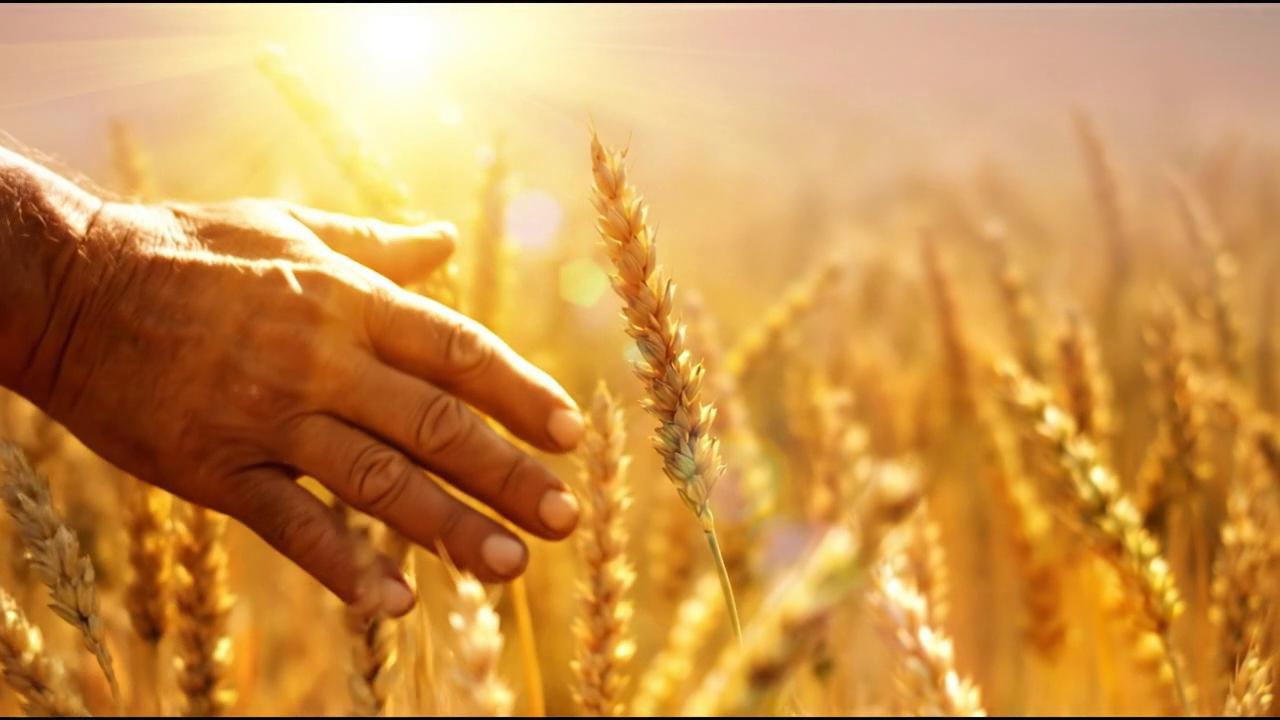
Every good sourcing decision starts with understanding the raw material — rice husk, an agricultural byproduct.
Question 1: "Where exactly is this made — and who owns the factory?"
This sounds basic, yet it filters out more suppliers than any other question. Ask the company to state its factory location, whether it manufactures in-house, and whether someone can walk you through the production line on a live video call. A genuine eco tableware factory says yes within a day and puts a production manager on camera. A reseller hesitates, offers a "factory tour video" that looks like it came from the internet, or redirects you to "our partner plant". Why it matters: a factory that owns its molding lines controls the material blend, the quality consistency and your lead time. A middleman controls none of them — but still sits in your cost structure. If your plan is wholesale eco dinnerware by the container, this single question protects both quality and margin.
Question 2: "What exactly is the material made of?"
"Eco-friendly" is a claim, not a composition. Push for the blend. A trustworthy plant fiber tableware supplier answers precisely, the way we do: our products are made from ground rice husk — a natural agricultural byproduct — combined with a small percentage of food-grade starch binder, molded under heat and pressure. No BPA, no PLA, no melamine-heavy shortcuts. That specificity matters because you will be repeating the material story to your own customers, on your packaging and your website — and if your supplier's story is vague, your claims become risky. For the full material breakdown, see our complete rice husk tableware buyer's guide, and for an honest look at end-of-life claims, read our article on whether rice husk products are really biodegradable.
Question 3: "Which food-safety test reports can you send — not just mention?"
Every supplier website says "food grade". The question is what paper sits behind the words. So phrase it exactly like this: "Please send the actual test reports for the products I'm asking about — material, migration values, and the lab that issued them." A real factory sends a PDF within hours. Watch for three things: the report names the testing body (ours come from SGS, the testing group most European and American buyers recognize), it covers food-contact migration testing rather than just material composition, and the product photos in the report match what you are actually buying. Also ask which certificates apply to your market — US importers typically verify FDA food-contact requirements, European buyers look toward LFGB-level expectations, and Australian buyers often ask about compostability standards for their own claims. A competent supplier won't just say "yes we have certificates"; they'll tell you which documents fit which market and send them with the quotation. You can see the reports we ship with every quote on our factory & certifications page.
Question 4: "What is your real MOQ — and what does the quote include?"
Two numbers get confused constantly: the MOQ for stock products and the MOQ for custom production. A serious supplier separates them cleanly. Ask: "What is the minimum for stock items, what is the minimum for custom logo and color, and what exactly is included in the unit price?" The quote should state whether packaging, logo molding, printing and export documents are included — and at what point extra costs appear. We keep a two-tier structure on purpose: stock items like our rice husk rice bowls and classic bowls ship from small pilot quantities, while fully custom runs — Pantone-matched colors, molded logos, retail packaging, like our colored chopping boards — start at clearly stated MOQs. If a supplier cannot split stock from custom, expect surprises after the deposit.
Question 5: "How will you support my market — samples, lead time and shipping?"
The last question is about the road between the factory and your warehouse. Ask three practical things: How do samples work and what do they cost? What is the realistic production lead time after the deposit? Which shipping terms do you offer — EXW, FOB, CIF, DDP — and which ports do you ship to most? A supplier experienced with your region already knows the answers by heart: which document your customs office asks for, how packing must be reinforced for a long ocean leg, and what a container of eco-friendly dinnerware weighs when palletized. We ship to 40+ countries across North America, Europe, Australia and Southeast Asia, and that repetition is exactly what makes the tenth shipment smoother than the first. One more tip: test response speed before you commit. A supplier who answers today the way they'll answer in month eight of your partnership.
Quick Checklist: Before You Send Your First Order
✅ Factory confirmed — location stated, live video accepted
✅ Material blend disclosed in writing — husk content, binder, additives
✅ Test reports received as PDFs — lab named, migration tested, photos matching your items
✅ MOQ split clear — stock vs custom, quote inclusions itemized
✅ Sample approved by you — physical unit tested in real use
✅ Lead time and shipping terms agreed — deposit paid only after all five
Frequently Asked Questions
How many samples should I test before ordering?
Three, minimum — and test them the way your customers will. Run a bowl through a commercial dishwasher cycle repeatedly, fill a cup with boiling water, chop on the board with a heavy knife. Ten days of real-use testing tells you more than ten pages of specifications. Most factories can ship mixed-sample sets; we regularly send sample kits covering bowls, cups, plates and boards so buyers can test the whole category at once.
Is rice husk tableware suitable for hot food and dishwashers?
Quality plant fiber tableware handles boiling water, hot meals and standard dishwasher cycles — that is precisely why cafés and catering businesses adopt it. But durability depends heavily on the material ratio and pressing quality, which is why Question 2 exists: a properly blended rice husk product behaves very differently from a cheap fiber composite. Ask the supplier for the recommended usage range in writing, and verify it with your own sample testing.
What documents should I request with my first order?
At minimum: the food-contact test reports (with the lab name), the material specification sheet, a commercial invoice and packing list template, and the certificate set relevant to your market. If the supplier hesitates on any of these before you've paid, treat it as a preview — documents only get harder to obtain after the deposit, never easier.
Ready to ask us the same five questions?
We welcome them — every answer is already documented. Tell us your market, target products and quantities, and we'll reply with a tailored quotation, our SGS food-contact reports and a sample proposal from our 5,000 m² facility.
Send InquiryPublished by Kaixin Eco Team · Shenyang Kaixin Technology Co., Ltd. — eco-friendly rice husk (plant fiber) dinnerware manufacturer since 2016, shipping to 40+ countries with full OEM/ODM support. Going deeper: read how to choose a reliable eco tableware manufacturer, or see why food businesses are switching in 5 reasons food businesses choose rice husk tableware.