
Zero Waste Kitchen: How Europe Is Making Kitchens Plastic-Free — and What Retailers Should Stock
In Berlin, zero waste shops sit on corners where video rental stores used to be. In Amsterdam, apartment kitchens hang cloth produce bags next to the bike helmets. In Milan, unpackaged grocery aisles have moved from novelty to normal. The zero waste kitchen has crossed from a fringe lifestyle into a mainstream European buying pattern — and like every mainstream buying pattern, it eventually shows up in wholesale order books. This guide explains what the trend actually is, which products a plastic-free kitchen really needs, and how European retailers, distributors and zero waste shops can turn it into a lasting product category rather than a one-season novelty.
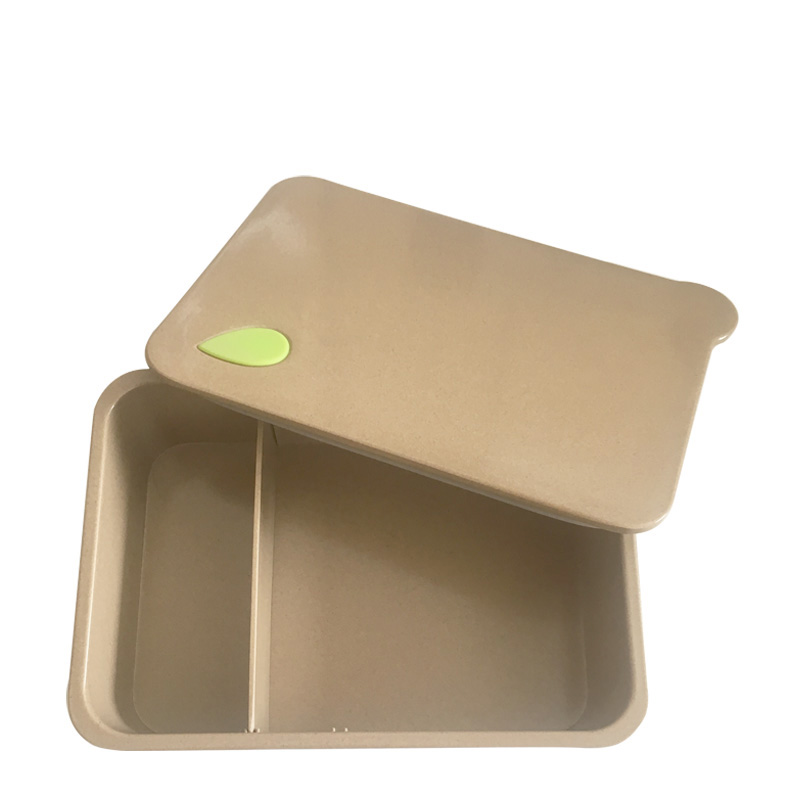
Reusable plant fiber lunch boxes replace a year's worth of plastic containers and cling film.
What a Zero Waste Kitchen Actually Is — and Isn't
Skip the Instagram version for a moment. A zero waste kitchen is not a pantry full of mason jars photographed in perfect light. It is a kitchen designed around one question: how much of what I use once gets thrown away? The answer, for a typical European household, is uncomfortable. Packaging is one of the largest waste streams in the EU, and the kitchen generates most of it — cling film, single-use containers, plastic cutlery that survives one picnic, cups that outlive their drink by minutes and then outlive the owner by centuries.
The zero waste response is a simple hierarchy that European consumers have internalized surprisingly fast: refuse what you don't need, reuse what you already have, and only then recycle. Notice that recycling — the thing the packaging industry built its reputation on — comes third. That ordering is exactly why reusable products, not compostable disposables, are the backbone of the zero waste kitchen. Compostable tableware solves the end-of-life problem but keeps the consume-and-discard loop intact. Reusables break the loop itself.
Why This Is a European Story First
Every region has eco-minded consumers, but Europe has something rarer: policy that turns preference into habit. The EU Single-Use Plastics Directive has already removed the most notorious throwaway items from shelves in every member state. Extended producer responsibility rules are making packaging more expensive for brands — a cost that eventually nudges consumers toward unpackaged and reusable options. National and city-level programs, from deposit-return schemes to reusable-cup requirements at events, keep the reuse message in daily life rather than in occasional campaigns.
Culture does the rest. Germany's Pfand system trained an entire country to see containers as returnable assets, not trash. France has legislated targets for reusable packaging in food service. Zero waste shops — the unpackaged grocery stores at the heart of the movement — number in the thousands across the continent and keep growing, particularly in Germany, the Netherlands, Austria, the Nordics and increasingly in Southern Europe. For a retailer or distributor, the takeaway is straightforward: demand for plastic-free kitchen products in Europe is not a trend spike. It is being actively reinforced by regulation, infrastructure and habit at the same time.
The Plastic-Free Kitchen, Product by Product
Ask a zero waste blogger what to stock and you'll get a hundred answers. Ask what actually sells repeatedly, and the list collapses into a short set of workhorse categories:
Food storage that isn't plastic. The first swap every household makes is the container drawer. Glass jars handle dry goods, but they fail at two everyday jobs: lunch on the move and the freezer. Lightweight, break-resistant containers with secure lids — a category where reusable plant fiber lunch boxes excel — cover daily meal prep, kids' lunchboxes and office lunches without the weight or fragility of glass.
Daily tableware with a long service life. Bowls and plates get used more often than anything else in the kitchen, which makes them the highest-impact swap. Natural fiber bowls are particularly strong sellers because they work for every age: durable enough for toddlers, light enough for elderly family members, and attractive enough for guests. Our rice husk bowls are a frequent pick here for exactly those reasons.
Kids' items. Zero waste parents are doubly motivated — they want to avoid plastic in their children's hands and reduce waste at the same time. Unbreakable, lightweight, plastic-free kids' sets solve both at once and rarely stay on the shelf long.
Food preparation surfaces. Cutting boards are the quiet hero of the category. Every kitchen needs one, plastic boards raise the well-known micro-scratching concerns, and wooden boards split if neglected. Plant fiber boards occupy a practical middle ground — and as a rice husk chopping boards page shows, they now come in enough shapes and colors to merchandize as a range rather than a single SKU.
Why Rice Husk Tableware Fits the Zero Waste Shelf
Zero waste shoppers read labels harder than any other customer segment, so the material story has to hold up to scrutiny. Rice husk tableware starts from an agricultural byproduct — the hull left after rice milling — that would otherwise be burned or landfilled. Grinding and molding it under heat and pressure turns waste into a dense, durable composite: no BPA, no plastic, dishwasher-safe, and built to last for years of daily use rather than a single serving. That combination — made from waste, replaces waste, lasts years — is precisely the narrative zero waste customers look for, and it survives their skepticism better than most green claims.
Honesty matters here too. Reputable manufacturers are careful about what rice husk tableware is and is not: it is a durable composite designed for a long reusable life, not a product certified to break down in a home compost bin, and serious suppliers say so plainly. If you want the full picture, our article on whether rice husk products are really biodegradable gives the unvarnished answer — a page worth reading before you write your own product descriptions, because zero waste customers will reward candor and punish vague eco-language.
A Stocking Guide for European Retailers and Zero Waste Shops
For buyers supplying the European market — zero waste shops, kitchenware stores, garden centers expanding into home goods, or online sellers — a few practical rules separate a profitable category from a dusty shelf:
Stock the daily-use categories first: bowls, lunch boxes, cups, kids' sets — items used every day carry the story best
Merchandize as a coordinated range; zero waste shoppers assemble a whole kitchen, not a single item
Put the material story on the shelf edge: what it's made from, what it replaces, how long it lasts
Ask suppliers for documented food-contact test reports (ours are SGS tested) before listing — zero waste customers will ask
Offer a price ladder: an entry bowl for trial, mid-range sets for gifting, full ranges for the committed household
Avoid absolute environmental claims in your copy; specific, verifiable statements sell better and age better
One more point on sourcing: European buyers increasingly verify claims instead of taking them on faith. Before committing to a supplier, ask exactly what documentation comes with the shipment — food-contact test reports, material composition details, and clarity on what any eco wording on the packaging means. Our earlier guide on what rice husk tableware actually is lists the questions worth putting in your first inquiry email.
The Q4 Window Is Closer Than It Looks
Two European moments concentrate gift and home spending: Christmas and the January "new habits" reset. Zero waste starter kits, kitchen gift sets and kids' tableware all peak in that window, and both seasons are bought, produced and shipped months earlier. Retailers who lock ranges in early autumn receive goods before the rush; retailers who decide in November receive them in February, when the reset is over. If you are planning a zero waste kitchen range for the coming season, the ordering conversation needs to happen now — production slots, custom branding and sea freight each add lead time. For a look at how seasonal timing works from the other hemisphere, our Australian summer BBQ stocking guide walks through the same lead-time logic for the December season.
Frequently Asked Questions
Is rice husk tableware suitable for a zero waste kitchen?
It fits the core logic of one: a byproduct that would otherwise be wasted is turned into durable, reusable tableware that serves for years and displaces plastic items in daily use. Zero waste prioritizes reuse over disposal, and rice husk tableware is a reuse product by design. What it is not is a certified home-compostable item — and honest suppliers will say so directly.
What documentation should I ask a supplier for before stocking eco tableware in the EU?
Ask for the actual food-contact test reports for the specific products you're buying, details of the material composition, and written clarification of any environmental claims you'd be copying onto your own packaging. Suppliers who answer quickly and in writing are usually suppliers worth having; our food-contact reports are SGS tested and ship with every quotation.
What minimum order quantities work for small zero waste shops?
Stock (non-custom) items typically start from pilot quantities suitable for a first shelf test, while fully custom production with molded logos and matched colors carries stated minimums. The practical path for a small shop is to start with stock items, learn which categories move, then graduate to a custom-branded range. Send us your target categories and quantities and we'll reply with the current MOQ structure.
Building a zero waste kitchen range for the European market?
Tell us your store type, target categories and order size. We'll reply with a tailored quotation, our SGS food-contact test reports, MOQ options for both stock and custom-branded production, and a sample proposal from our 5,000 m² facility.
Send InquiryPublished by Kaixin Eco Team · Shenyang Kaixin Technology Co., Ltd. — eco-friendly rice husk (plant fiber) dinnerware manufacturer since 2016, shipping to 40+ countries with full OEM/ODM support. Going deeper: browse the Kaixin eco tableware homepage for the full reusable range, compare materials in our rice husk vs bamboo vs plastic breakdown, or see why food businesses are switching to rice husk tableware.