
Container Loading & MOQ: The Eco Tableware Importer's Guide to Planning a Full Container That Sells
Ask a first-time importer what worries them about ordering eco tableware from China and they'll mention quality or compliance. Ask a distributor who has done it for five years and they'll give you a different answer: container math. MOQ structure and container loading decide whether your inventory turns in a season or ties up cash in a warehouse for a year. Rice husk (plant fiber) tableware adds a twist that surprises newcomers — it's so lightweight that you run out of space long before you run out of weight allowance. This guide walks through how experienced US, European and Australian buyers actually plan an order: MOQ tiers, cube-versus-weight loading, mixed containers, landed cost and seasonal timing.
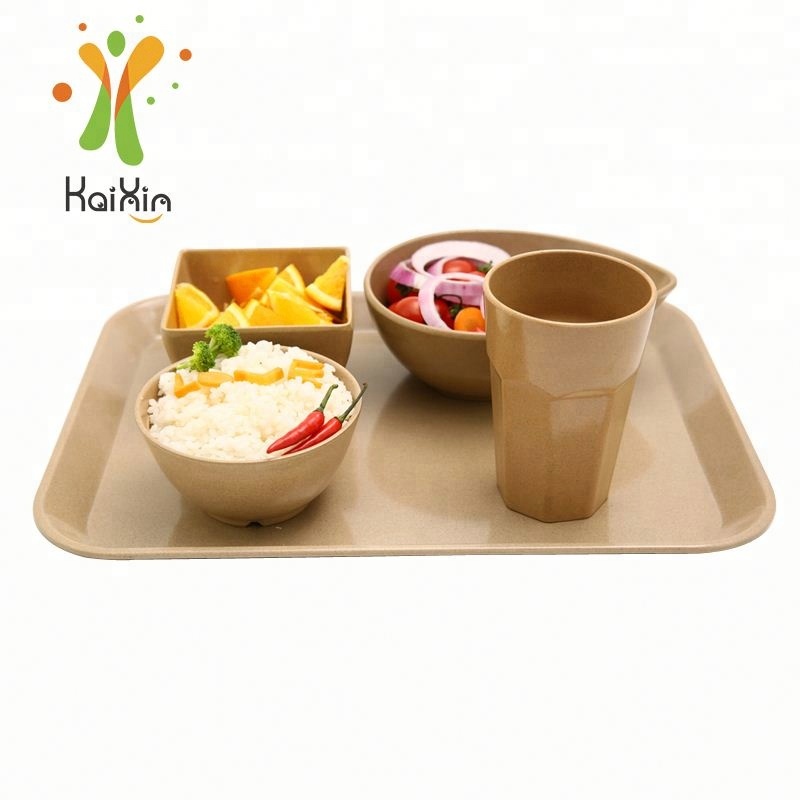
Serving trays, bowls and cups — the classic mixed-container combination for a first wholesale order.
MOQ and Container Loading Are the Same Conversation
Many buyers treat minimum order quantity and container loading as two separate topics — one belongs to the sales negotiation, the other to the freight forwarder. In practice they're one decision. Your MOQ determines how many master cartons you order of each SKU; the carton dimensions determine how many cubic meters you end up with; and the cubic meters determine whether you ship a full container (FCL), share one (LCL), or pay for air inside a half-empty box. Get the sequence wrong and you end up with one of two expensive outcomes: a container full of one slow-moving SKU, or an LCL shipment where freight per piece quietly doubles your landed cost. The importers who profit from eco tableware start their planning at the carton level, not the piece level.
The Two MOQ Tiers: Stock Items vs Custom Production
The first thing to clarify with any supplier is which of two pricing tiers you're in. Stock items are products already in production in standard colors — natural plant fiber, the finish you see on the product page. Because the factory runs them continuously, they can ship in small pilot quantities, often by the carton. This is how most cafés, boutique retailers and first-time importers start: a few cartons of cups, bowls and plates to test the market. Custom production — molded or printed logos, Pantone-matched colors, custom retail packaging — runs on dedicated tooling and batch scheduling, so it carries clearly stated minimums per SKU. Neither tier is better; they serve different stages. The mistake is asking for one blanket "MOQ" number. A good supplier separates the tiers in writing, and you should insist on that separation. Our five questions to ask before importing eco tableware covers exactly how to structure that first inquiry email.
What Actually Fills a Container: Cube, Not Weight
Here's the fact that changes how you plan: a 20-foot container holds roughly 28 cubic meters of usable cargo, and a 40-foot high-cube holds around 68 — but the weight allowance is typically capped around 21–28 tons depending on the route and destination regulations. Ceramic dinnerware is heavy enough that weight can become the limiting factor. Plant fiber tableware is the opposite: a master carton of rice husk plates or trays weighs very little for the space it occupies, so you will hit the cube limit long before the weight limit. That has three practical consequences:
First, the master carton is your real planning unit, not the piece. Ask every supplier for a packing list that states carton dimensions (in cm), pieces per carton, and gross weight per carton. With those three numbers you can calculate your container fill yourself instead of trusting anyone's estimate. Second, nesting density matters more than unit price. Two plates with the same factory price can differ meaningfully in pieces per carton if one nests deeper — and the better-nesting SKU delivers a lower freight cost per piece. Stackable designs such as our square plates and compartment plates exist partly for this reason: they tile efficiently in a carton and in the container. Third, there's usually room to top off a cube-limited container with a few extra cartons of lightweight items — a smart way to add cups or kids' sets at near-zero marginal freight.
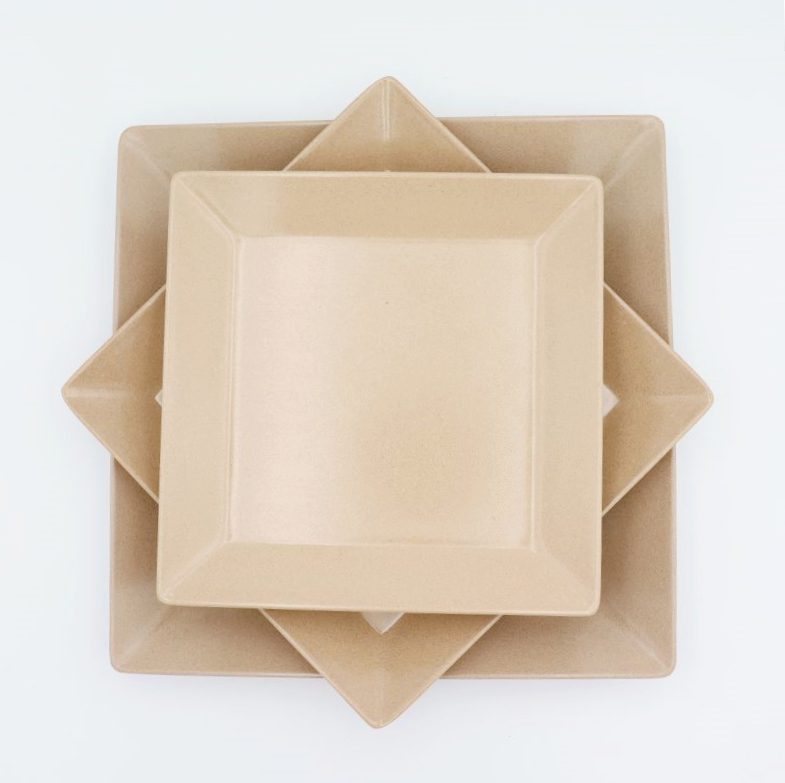
Deep-nesting plates tile efficiently in master cartons — lower freight cost per piece.
Mixed Containers: Why Your First Order Should Never Be One SKU
A container of nothing but one plate design is a bet that your market wants exactly that plate, in exactly that size, at exactly your price point. Sometimes it pays — usually for an established distributor replenishing a proven line. For everyone else, the standard play is a mixed container: several SKUs sharing one box. A typical first full-container order for a US or EU distributor looks like a portfolio: a fast-moving core (dinner plates or serving trays) at 40–50% of the cube, mid-range items (bowls, cups) at 30%, and testing SKUs (kids' sets, lunch boxes, a new color) at the remaining 15–20%. If the core sells as expected, you've lost nothing. If a testing SKU surprises you, you've discovered your next bestseller for the cost of a few cartons.
Mixed containers also protect you from the LCL trap. Less-than-container-load freight is priced per cubic meter with minimums and destination charges that hit small shipments hard; the per-piece freight on a 5 cbm LCL shipment can easily run two to three times the FCL rate. A mixed FCL order gives you full-container freight economics with the SKU diversity of a small order. One warning from the customs side: a mixed container means a longer packing list and more line items to declare, so make sure your supplier's documentation is clean and your broker knows what's coming. If you're planning around the Australian and New Zealand summer season specifically, our Aussie BBQ stocking guide breaks down which SKUs earn their cube space in a December-facing container.
The Landed Cost Math
The number that decides whether your order works is not the FOB unit price — it's the landed cost per piece. Landed cost = product cost + ocean freight + insurance + destination port charges + customs duty + inland transport to your warehouse, divided by the number of sellable units. Two habits keep this math honest. First, calculate it per SKU, not per container. Freight spreads across everything in the box, but duty rates and sell-through speeds differ by product, and a container-level average will hide a slow SKU that's quietly expensive. Second, include the return rate of your capital. A container that sells through in 90 days is a fundamentally better use of money than a cheaper-per-piece container that takes 300 days to clear, even if the second one has a slightly lower landed cost per unit. When you request a quotation, ask the supplier to state pieces per carton and carton dimensions so your forwarder can quote real freight — vague "approximate volume" answers at quotation stage become disputes at loading time.
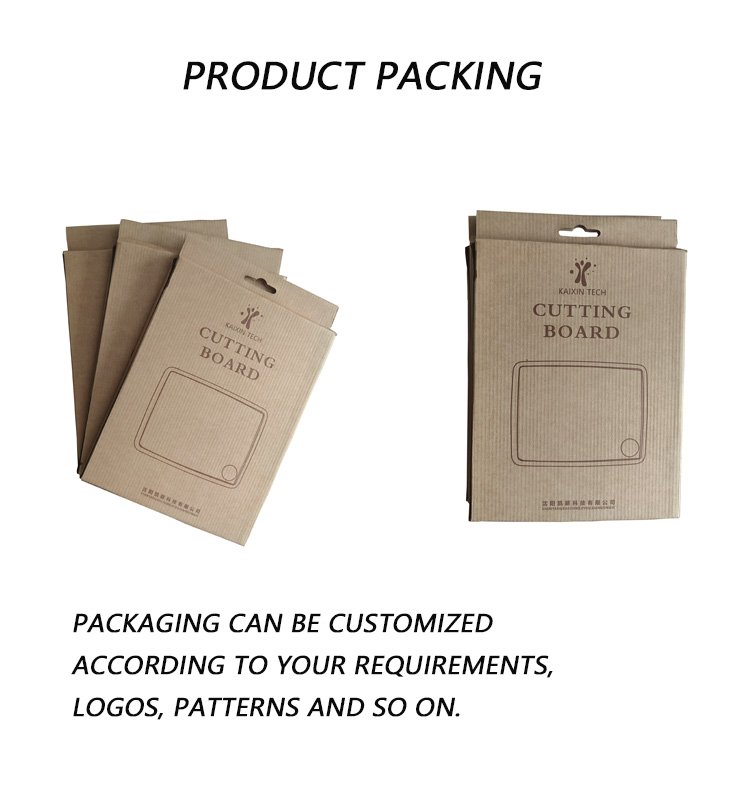
Retail-ready kraft packaging nests flat and adds almost no cube — one reason packaged goods travel efficiently.
Timing the Order: Seasonal Calendars by Market
Container planning is calendar planning. For Europe, eco retail and zero waste shops build spring and summer ranges, so production should start in the first quarter to land goods by April–May. For Australia and New Zealand, remember the seasons flip: the December–January BBQ season is the peak, which means orders placed in September–October land in time for December shelves. For North America, spring housewares resets and summer outdoor dining drive demand, with a second window ahead of the holiday gifting season for gift-oriented sets. Layer the factory calendar on top: Chinese New Year shuts production for two to four weeks around late January or February, and bookings surge in the weeks before it as buyers lock in capacity. The practical rule: order 3–4 months before your shelf date, book freight early in peak season (August–October is the busiest on trans-Pacific lanes), and if you're between windows, shipping slightly early costs less than paying peak-season freight to chase your own deadline.
Quick Checklist: Planning Your First Full Container
✅ Get a written packing list per SKU: carton dimensions, pieces per carton, gross weight
✅ Confirm which MOQ tier you're in — stock items or custom production
✅ Plan the container as a portfolio: proven core SKUs plus 15–20% testing SKUs
✅ Favor deep-nesting designs to cut freight cost per piece
✅ Calculate landed cost per SKU with your forwarder's real FCL quote
✅ Work backward from your shelf date and book freight before peak-season surcharges
✅ Ask for food-contact test documentation (ours are SGS tested) with every quotation
Frequently Asked Questions
How many pieces of rice husk tableware fit in a 40HQ container?
There's no single number — it depends entirely on the SKU mix, because each product has its own carton dimensions and pieces per carton. Flat, deeply nesting items like plates and trays pack densely; taller items like cups occupy more cube per piece. The reliable method is to ask your supplier for the packing list of each SKU, multiply out the cartons you plan to order, and check the total cubic meters against roughly 68 usable cbm for a 40-foot high-cube. Any serious manufacturer will send this breakdown with a quotation.
Can I mix different products and colors in one container?
Yes — mixed containers are standard practice for tableware. You can combine plates, bowls, trays, cups and kids' sets in one shipment, and with custom production you can even carry different logo colors across SKUs. Two things to confirm in advance: that the factory will load multiple SKUs into one container without separate minimums per item beyond the agreed tier, and that the commercial invoice and packing list itemize every SKU correctly for customs.
What's the MOQ for custom logo or private-label orders?
Custom branding — molded logos, printed marks, Pantone-matched colors, custom retail boxes — runs on dedicated production batches, so each factory sets minimums per SKU and per color. The number varies by product complexity, so ask suppliers to state it in writing rather than quoting a generic "low MOQ." A transparent supplier will also tell you the stock-item tier, which lets you test the market first and move to private label once a SKU proves itself. Send us your target products and market and we'll reply with the current structure for both tiers.
Should a first order be FCL or LCL?
If your budget supports a full container, FCL with a mixed SKU plan is almost always the better first order — you get container-rate freight, faster transit with fewer handling points, and less damage risk. LCL makes sense when you're testing a single new product line or your capital is tightly constrained and you accept the higher per-piece freight. What to avoid is the middle zone: repeated small LCL shipments of the same SKUs, where accumulated freight and destination charges quietly exceed what one consolidated container would have cost.
Planning a container of eco tableware?
Send us your target market, the SKUs you're considering and your timeline. We'll reply with a per-SKU packing list, both MOQ tiers in writing, our SGS food-contact reports and a mixed-container proposal — custom logo and color options included from our 5,000 m² facility.
Send InquiryPublished by Kaixin Eco Team · Shenyang Kaixin Technology Co., Ltd. — eco-friendly rice husk (plant fiber) dinnerware manufacturer since 2016, shipping to 40+ countries with full OEM/ODM support. Going deeper: see our guide to choosing a reliable eco tableware manufacturer, browse the full product range, or start from the Kaixin eco tableware homepage.